Trusted canton top Synthetic Turf Installation
Trusted canton top Synthetic Turf Installation
Blog Article
Fake Grass Installation: The Sustainable Resolution for Your Lawn
Installing artificial grass serves as a practical substitute for homeowners pursuing a responsible yard solution. Its strength and minimal maintenance needs offer notable gains over conventional grass. As water conservation becomes progressively essential, synthetic grass offers a viable response to ecological issues. Still, the choice to install artificial grass demands many considerations that warrant careful analysis. What factors should residents evaluate before taking the change to this sustainable choice?
Learning About Synthetic Turf: Core Qualities and Positives
Synthetic turf has become a widely-used alternative to natural grass, offering multiple advantages for diverse applications. One of its primary attributes is robustness; synthetic grass can resist heavy foot traffic and extreme weather conditions without deteriorating. This durability makes it an excellent choice for sports fields, playgrounds, and residential lawns.
Moreover, synthetic turf calls for minimal maintenance relative to natural grass. There is zero need for mowing, watering, or fertilizing, delivering major time and cost benefits for homeowners and facility managers alike.
Furthermore, artificial grass is environmentally friendly, as it conserves water and reduces the need for harmful pesticides and fertilizers.
As technology improves, modern synthetic turf mimics the appearance and feel of natural grass, offering aesthetic appeal without the drawbacks. These features collectively make synthetic turf a viable and attractive option for a wide range of uses.
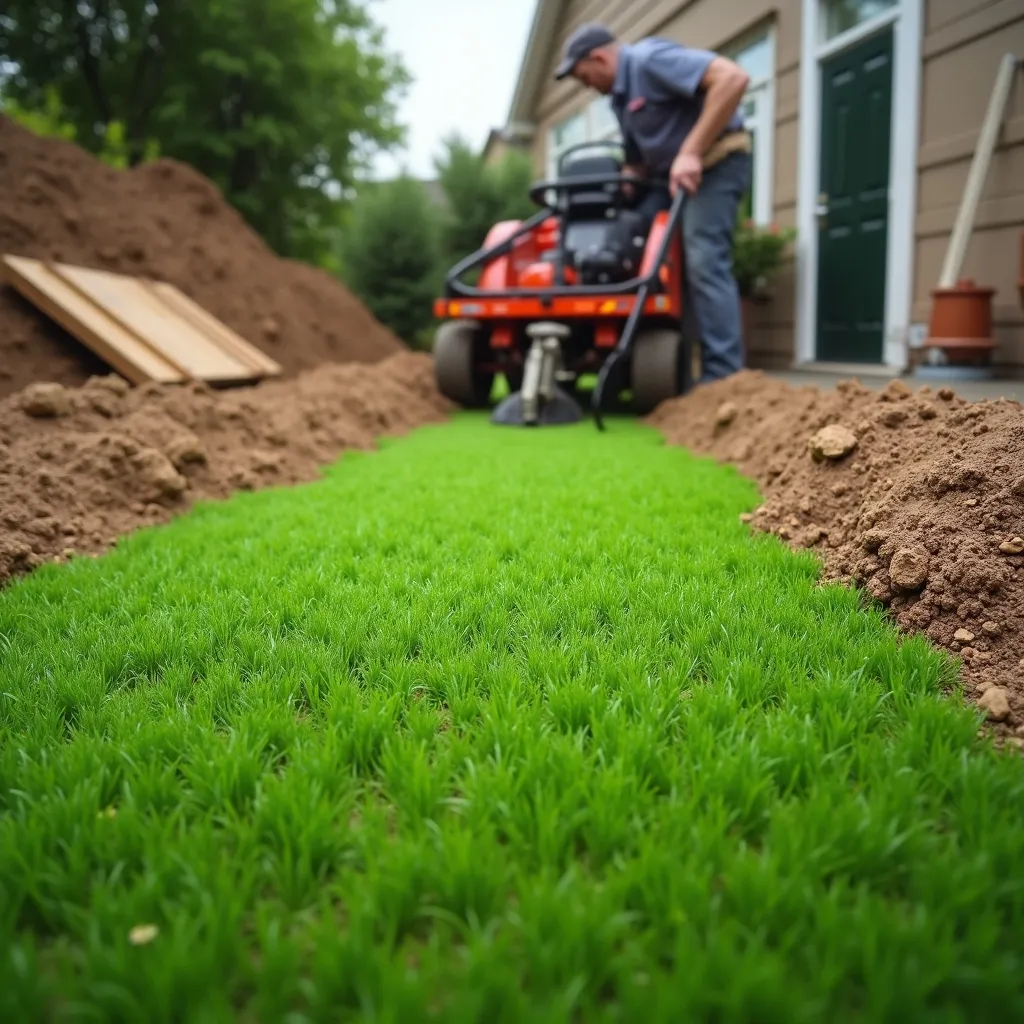
Putting In Synthetic Turf: A Phase-by-Phase Guide
When assessing the perks of synthetic turf, the next logical step is understanding the installation process.
The first phase includes site preparation, which includes removing the area of existing grass, weeds, and debris. Next, a foundation of gravel or gravel is laid to ensure proper drainage and stability. Following this, a weed barrier fabric is installed to stop unwanted vegetation.
Once the base is prepared, the synthetic turf rolls are spread out and placed, facilitating proper alignment. The edges are secured with stakes or adhesive, guaranteeing a seamless appearance.
After positioning, a coating of infill material, such as rubber or sand, is applied evenly to offer weight and support. Finally, the turf is swept to elevate the strands and deliver a authentic appearance.
Executing these steps creates a long-lasting, minimal-upkeep lawn that boosts both aesthetics and usability.
Why Favor Synthetic Turf? Sustainable and Pragmatic Benefits?
Picking artificial grass offers many environmental and practical advantages that make it an attractive option for numerous homeowners and businesses. One major benefit is conserving water; synthetic grass eliminates the need for routine irrigation, which is particularly advantageous in arid regions.
Moreover, it minimizes the dependence on toxic pesticides and fertilizers, fostering a more vibrant ecosystem.
From a practical standpoint, synthetic turf necessitates limited maintenance, reducing effort and expenses on lawn care. It remains green and lush throughout the year, offering a consistent visual charm without weather-related variations.
Additionally, synthetic turf offers durability, designed to resist heavy foot traffic and various weather conditions, making it ideal for both residential and commercial applications.
These qualities not only optimize the usability of open-air areas but also further long-term environmental stewardship, presenting synthetic turf as an appealing alternative for sustainability-focused consumers.
Critical Things to Think About for Synthetic Turf Placement
Multiple factors must be evaluated before beginning synthetic turf installation. First, it is vital to assess the intended application of the area. Various kinds of synthetic turf are created for specific uses, such as sports or residential grounds maintenance.
Second, the local climate should be reviewed; some items may manage heat more successfully than others.
Site preparation is another important aspect, demanding adequate water management and a even foundation to ensure durability and functionality. Furthermore, potential regional rules or homeowners' association guidelines may affect installation choices.
Finding the best infill option is essential for stability and satisfaction, as it impacts both the appearance and feel of the turf.
Finally, choosing a reputable installer can greatly influence the caliber and longevity of the installation. By addressing these factors, property owners can create well-researched decisions that best suit their needs and improve their exterior spaces.
Maintaining Your Synthetic Turf Lawn
Maintaining a synthetic turf lawn requires a consistent cleaning schedule to guarantee its longevity and appearance.
Regular maintenance includes dealing with any spots and applying fix methods as required.
Stick to a regular housekeeping schedule
A consistent cleaning schedule is crucial for maintaining the appearance and longevity of synthetic turf lawns. Routine upkeep helps prevent debris buildup, minimizes odors, and enhances aesthetic appeal.
Property owners should aim to remove leaves, twigs, and other plant debris at least once a week, especially during fall. Additionally, flushing the turf with water every month can help get rid of dust and allergens, maintaining a fresh look.
In high-traffic areas, more frequent attention may be necessary to sustain the turf's integrity. During winter periods, winter buildup should be cautiously eliminated to protect against damage to the fibers.
Finding and Repair Pointers
Identifying and managing issues promptly is necessary for upholding the integrity of synthetic turf lawns. Ongoing assessments should be executed to spot signs of damage, such as punctures, fraying, or uneven surfaces.
When a fault is detected, quick action is crucial. Minor tears can be repaired using specialized adhesive or turf tape, guaranteeing a secure bond without compromising appearance. For larger issues, professionals may be needed to replace sections of turf.
Furthermore, keeping the base material intact is vital; any displacement can lead to more serious problems. Regular brushing helps preserve an even appearance and can also expose concealed defects.
Expense Evaluation: Synthetic Turf vs. Natural Grass
When comparing the costs of artificial grass to real grass, upfront installation costs are quite important.
Additionally, long-term maintenance costs can greatly influence the total monetary investment of each option.
A comprehensive analysis of these elements reveals important insights for prospective buyers.
Upfront Installation Costs
Initial setup expenses play an essential role in the selection process for property owners and local governments evaluating synthetic turf versus natural grass.
Typically, the upfront expenses for synthetic turf can range from $5 to $20 per square foot, based on quality and installation complexity. In contrast, natural grass installation usually costs between $1 to $2 per square foot.
However, the overall investment in natural grass can increase considerably due to soil preparation, watering systems, and ongoing maintenance needs.
Homeowners and municipalities must assess these initial costs against the potential long-term benefits of synthetic turf, such as minimized water needs and lower maintenance requirements.
In the end, recognizing these costs facilitates making knowledgeable, environmentally responsible landscaping selections.
Ongoing Preventative Care Expenses
Extended maintenance expenses significantly shape the overall cost-effectiveness of synthetic turf compared to natural grass.
Maintaining natural grass involves regular monetary commitments, encompassing routine lawn mowing, soil fertilization, regular hydration, and pest management, which can increase notably over time. Homeowners may allocate hundreds to thousands of dollars yearly to keep a vibrant lawn.
By contrast, artificial grass needs little care, chiefly occasional rinsing and brushing to remove debris. While the initial investment for artificial grass may be higher, the diminished similar article future expenses render it an attractive choice.
Furthermore, artificial grass avoids irrigation fees stemming from irrigation, further improving its cost-effectiveness over time.
In the end, the monetary benefits of artificial grass maintenance can result in substantial savings for property owners over time.
Debunking Common Myths About Synthetic Turf
Although many people entertain false ideas about synthetic turf, understanding the information can lead to informed decisions. One common myth is that synthetic turf is harmful to the surroundings; however, many goods are made from reclaimed resources and are engineered to be durable, reducing waste.
Another common belief is that synthetic turf requires excessive heat control, but modern installations often include efficient cooling technologies that reduce temperature issues.
Moreover, some skeptics suggest that artificial grass promotes artificial compounds; yet, innovations in composition have greatly limited the requirement for harmful filler materials.
Finally, the notion that synthetic grass cannot support biodiversity is deceptive; many installations can exist alongside with native plants, providing habitats for local wildlife.
Regularly Asked Questions
How Much Time Can Synthetic Turf Endure Before Demanding Replacement?
Artificial grass usually lasts between 15 to 25 years before requiring replacement. Elements affecting longevity include standard, maintenance habits, and environmental circumstances, which can greatly influence its resilience and functional quality over time.
Can Animals Safely Use Synthetic Turf?
Pets can safely use synthetic turf, as it is designed to be durable and non-toxic. Regular upkeep ensures cleanliness, making it a practical option for pet owners seeking a low-maintenance, enjoyable outdoor space for their animals.
Does Synthetic Turf Retain Heat in Sunny Weather?
Indeed, artificial turf does retain heat in bright weather, significantly elevating surface temperatures. This can lead to discomfort for both people and pets. Consistent irrigation or choosing lighter-shade grass can help mitigate this heat gain.
What Possibilities Are Offered for Synthetic Turf Pigments and Styles?
You can find artificial grass options with different colors like vibrant greens, earthy browns, and even specialty shades. From realistic replication of natural grass to ornamental designs, types include a variety of looks and functionalities.
In What Ways Does Synthetic Turf Influence Local Wildlife?
Man-made turf can interfere with local wildlife by changing habitats and decreasing natural food sources. Its lack of flexibility may deter certain animals from foraging or nesting, potentially leading to reduced species diversity in the affected areas.
Report this page